The Dawn and Regulations of Autonomous Trucking in the US
Revolutionizing the Interstates through Pushing Autonomous Trucking in the United States
The landscape of autonomous trucking in the United States is rapidly evolving, marked by significant technological advancements, regulatory changes, and an increasing market value. By integrating a plethora of cutting-edge technologies, autonomous trucks are setting new benchmarks in efficiency, safety, and sustainability. Let\'s delve into this sector with a data-driven perspective, highlighting key developments, market trends, and regulatory frameworks.
Technological Developments
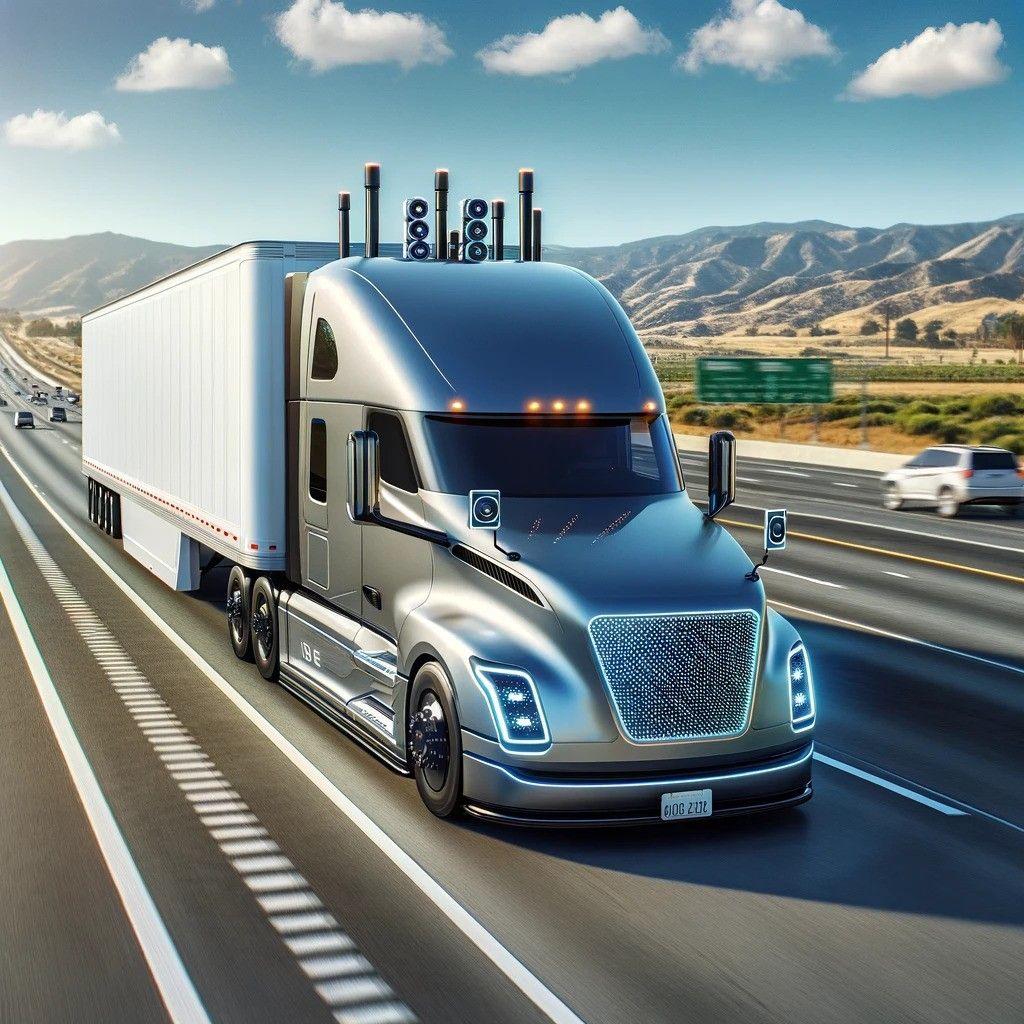
- Autonomous System Designs: Companies like Continental and Aurora Innovation have finalized the design for a scalable autonomous trucking system, adhering to SAE Level 4 automated-driving parameters. This collaboration, set for mass production by 2027, incorporates a fallback system to operate without a human driver.
- Redundancy and Safety: Kodiak Robotics, an autonomous trucking startup, revealed a semi-truck equipped with redundant systems across critical mechanical components. This design includes multiple braking, steering, sensors, and computer systems to ensure safety in the absence of a human driver.
- Sensor and Computing Power: The Kodiak semi-truck features 12 cameras, four lidar sensors, six radar sensors, and enhanced computing power. This includes twice the GPU processor cores, 1.6x greater processing speed, and 2.75 times greater bandwidth compared to their first-generation truck.
Market Trends and Analysis
- Market Valuation: The autonomous trucks market is projected to reach USD 66.50 billion by 2030, with a compound annual growth rate (CAGR) of 10.6% from 2023-2030.
- Light Duty Trucks Segment: This segment, which includes vehicles designed for transporting goods with lower weight capacity, is a frontrunner in the market, catering to urban and suburban environments.
- Efficiency and Sustainability: Autonomous trucks promise to revolutionize supply chain management by optimizing routes, minimizing idle time, and enhancing fuel efficiency. Their integration with electric technologies aligns with global sustainability goals.
Regulatory Landscape
- Federal Oversight: The National Highway Traffic Safety Administration (NHTSA) and the Federal Motor Carrier Safety Administration (FMCSA) are key regulatory bodies. NHTSA focuses on vehicle safety standards, while FMCSA governs commercial vehicle operations. Both are adapting regulations to accommodate AVs.
- State-Level Regulations: States like California, Arizona, and Texas are leading in AV testing and deployment, creating a patchwork of regulations across the country.
- Unified Federal Approach: The U.S. Department of Transportation (USDOT) has released “Automated Vehicles 4.0” guidance, promoting a unified approach to AV regulation and emphasizing collaboration and flexibility.
- Regulatory Challenges: Key challenges include adapting FMVSS for AVs, addressing liability and safety concerns, and harmonizing state and federal regulations.
The autonomous trucking sector in the United States is a confluence of innovative technology, evolving market dynamics, and a complex regulatory framework. With the market poised for significant growth, stakeholders must navigate technological challenges, regulatory adaptations, and safety considerations. The integration of these autonomous vehicles into the transportation system is not just a technological shift but also a regulatory and economic revolution, promising to reshape the logistics and freight industry in the years to come.
Key Topics Covered
Written by
Rapid Relay Team
The Rapid Relay team brings together industry expertise in freight optimization, relay operations, and supply chain innovation. Our writers share insights drawn from years of working with carriers and understanding the complexities of long-haul logistics.